


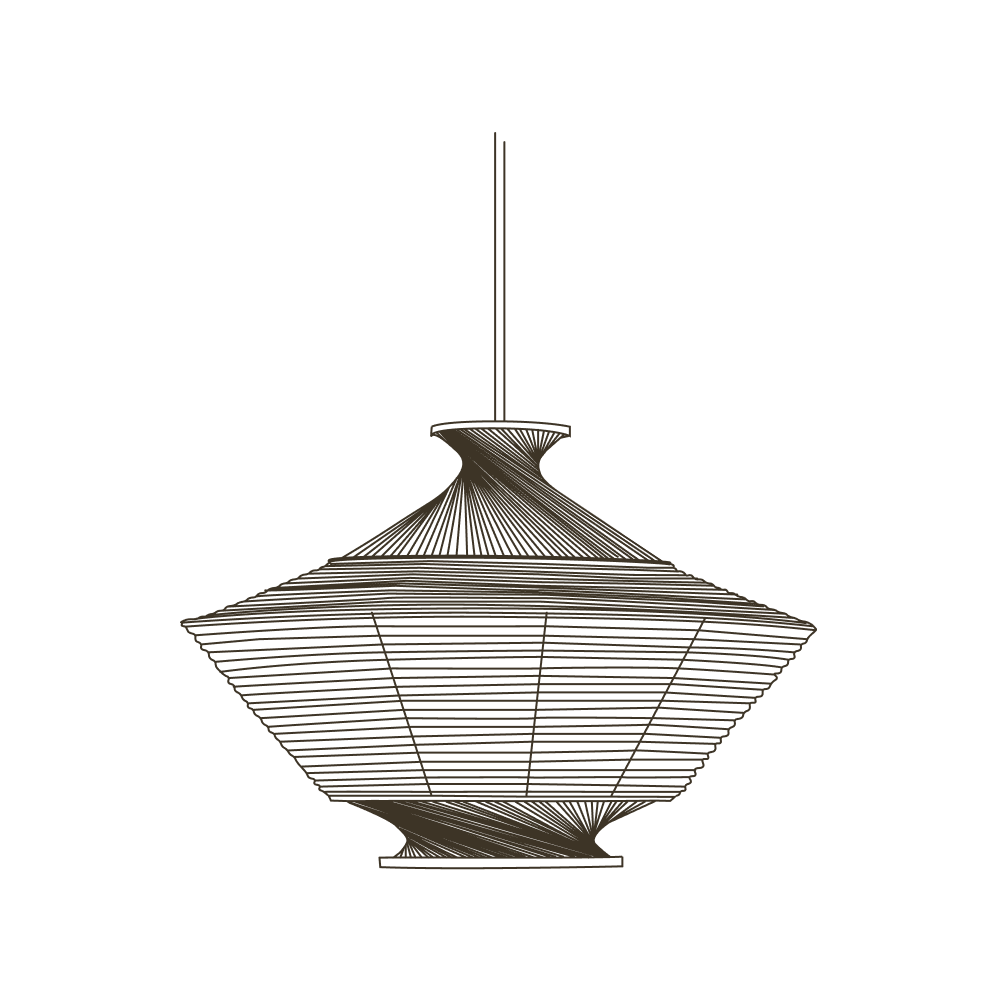
Between Denmark and Japan
For more than a century, Danish design has looked to Japan. Its joinery, its restraint, its understanding of wood, paper and proportion. Designmuseum Danmark has collected Japanese work since the 1890s, explicitly for Danish craftspeople to learn from.
The admiration runs both ways. Danish mid-century classics have been collected and lived with in Japan for decades, while Japanese designers have occasionally worked with Nordic design brands. But mostly as individual projects, rather than as an ongoing exchange.
When Mikkel Zebitz founded Motarasu in Copenhagen in 2019, he asked a simple question: what if the two traditions that had influenced each other for decades could meet as equals and create together?
Motarasu is an independent Danish design house founded in Copenhagen in 2019, bringing Danish and Japanese designers, makers, materials and craft traditions together through lighting, furniture and objects.
Not one echoing the other, but both contributing to what comes next.
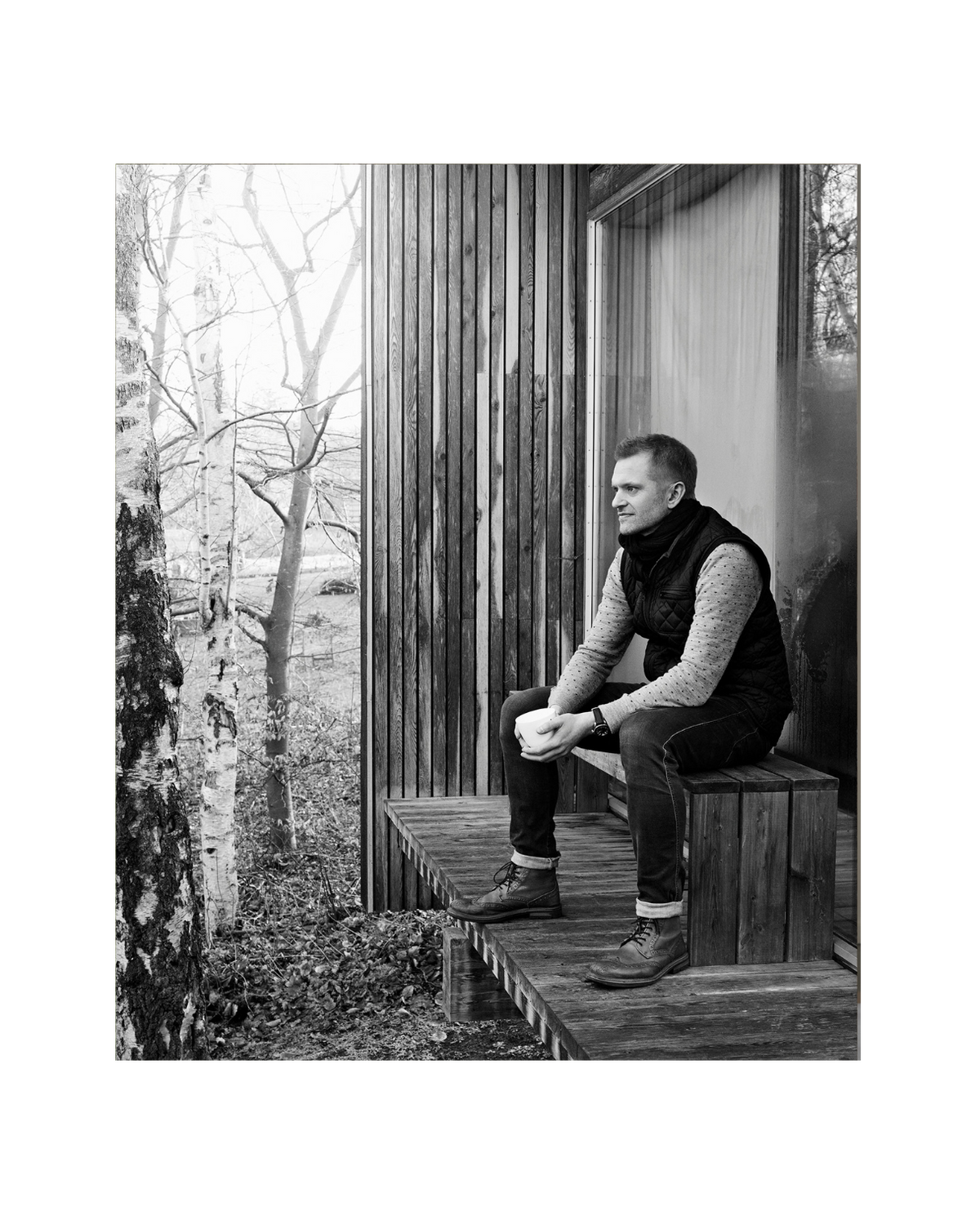
もたらす
Motarasu means to bring
Motarasu — もたらす — is a Japanese verb meaning “to bring.” Not simply to hand an object over, but to bring something into a room that was not there before: light, harmony, joy, change.
Our name embodies our mission: to bring joy through beauty, to bring change by uniting Danish and Japanese designers, and to create what we call poetic simplicity.
By bringing Danish design heritage into conversation with Japanese materials, craftsmanship and aesthetics, we believe in surrounding ourselves with fewer, beautiful, high-quality objects — chosen carefully because they bring something meaningful to everyday life.


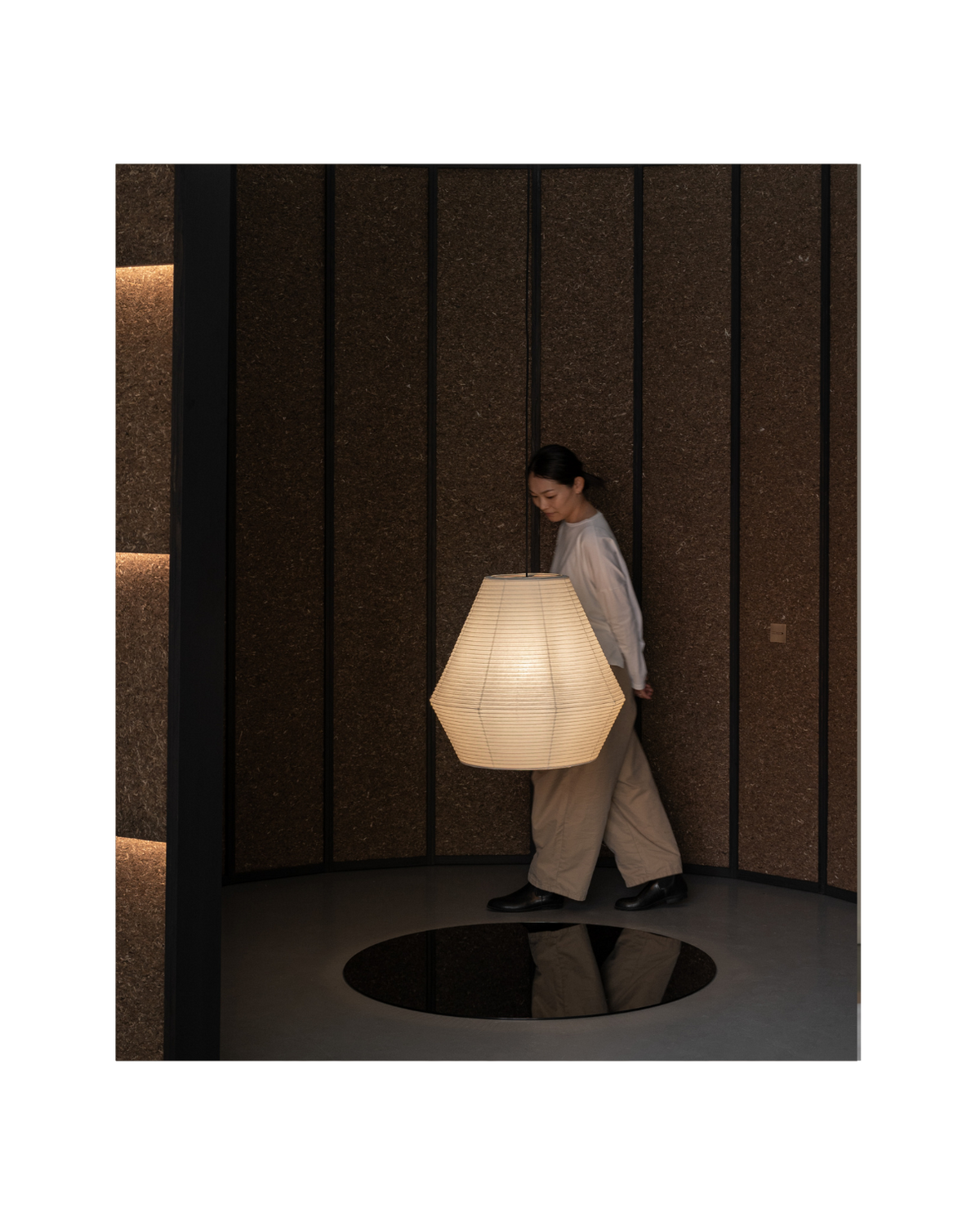
Poetic Simplicity
Simplicity removes what is nonessential. Poetry makes what remains speak — through proportion, material, light and the way an object meets the hand.
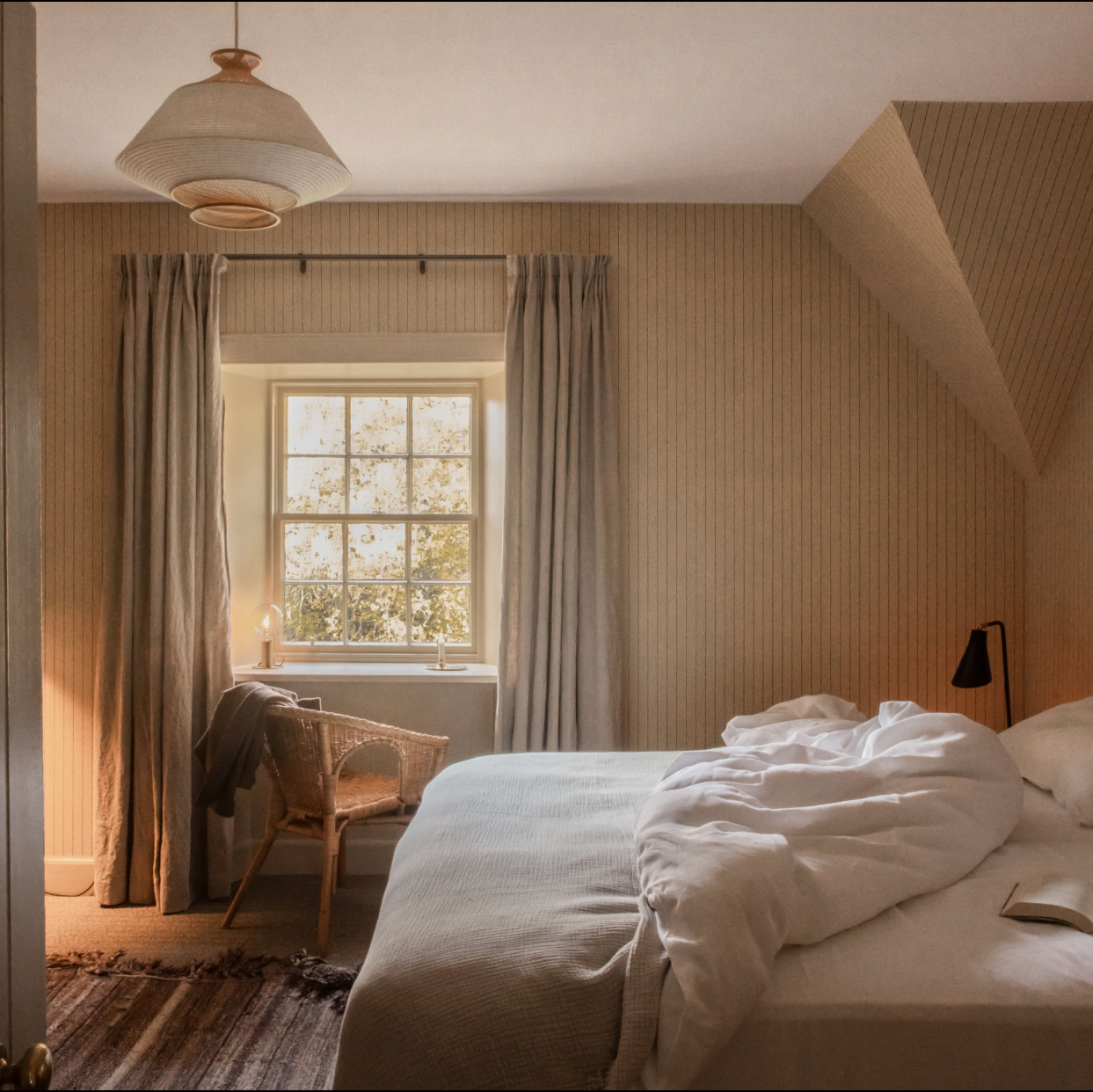
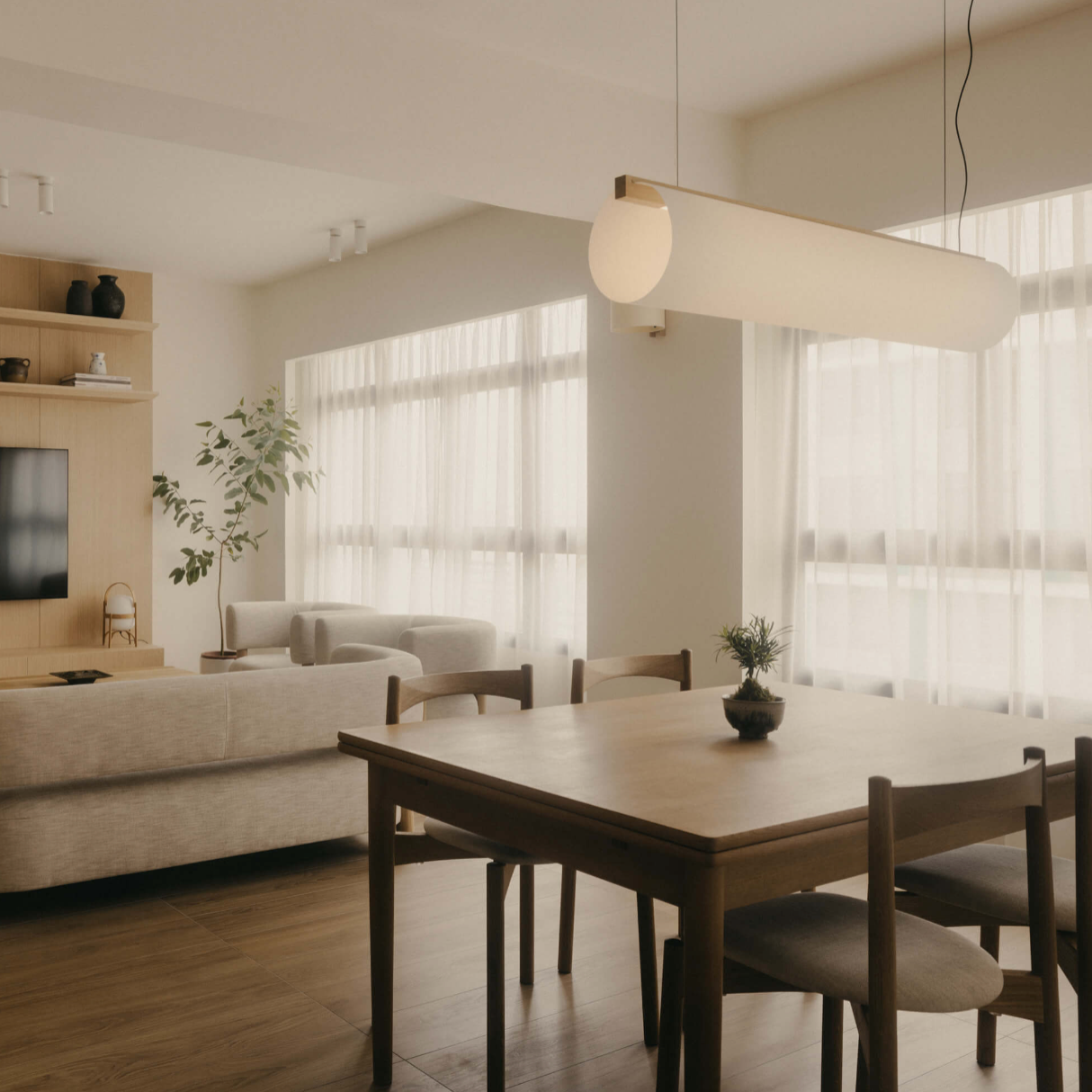
For us, poetic simplicity is not a single aesthetic. It is a way of looking. A chair can be reduced to its essential structure while making the grain of the wood part of the experience. A pendant can be almost weightless in appearance while demanding considerable craft to make.
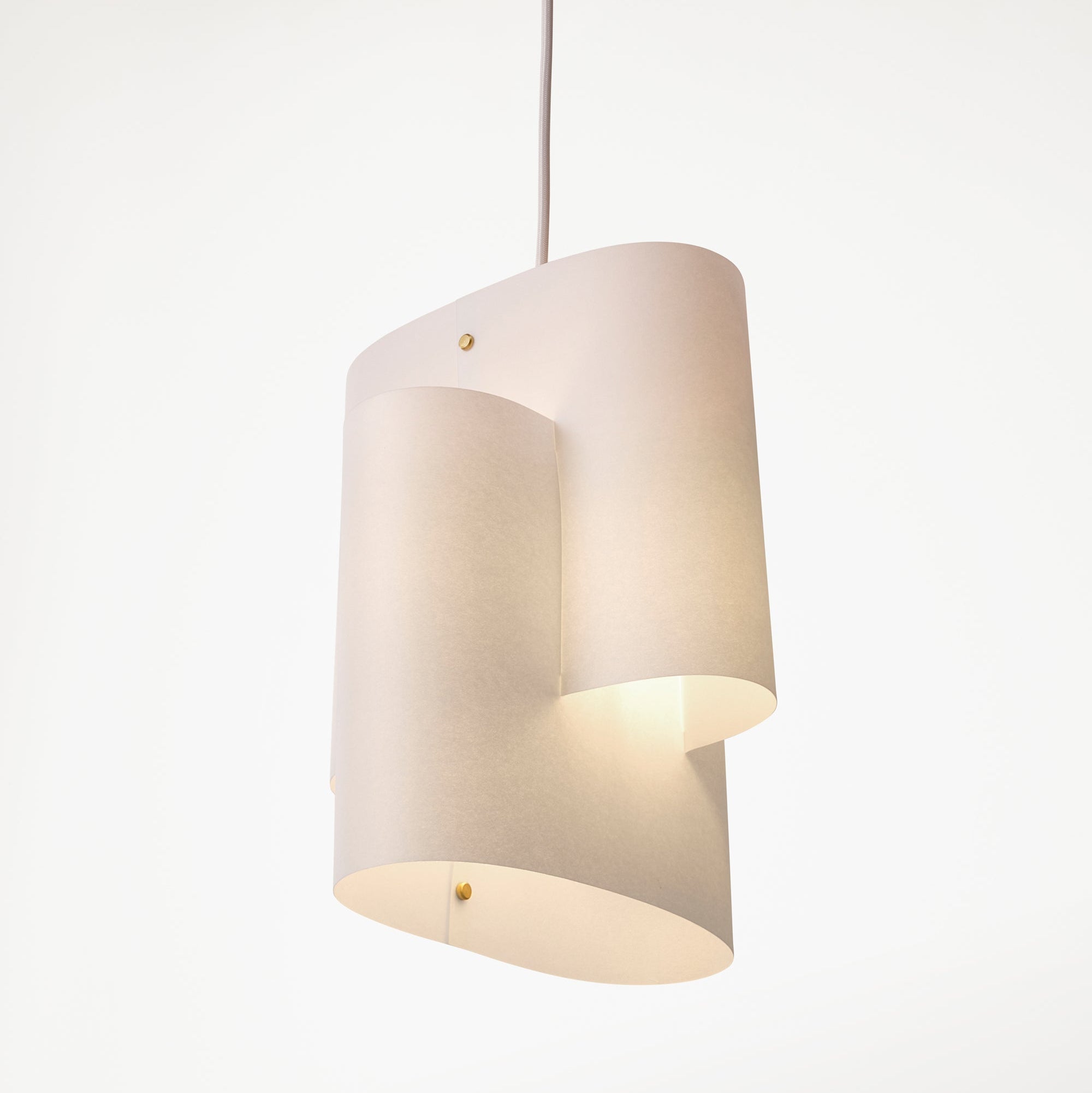
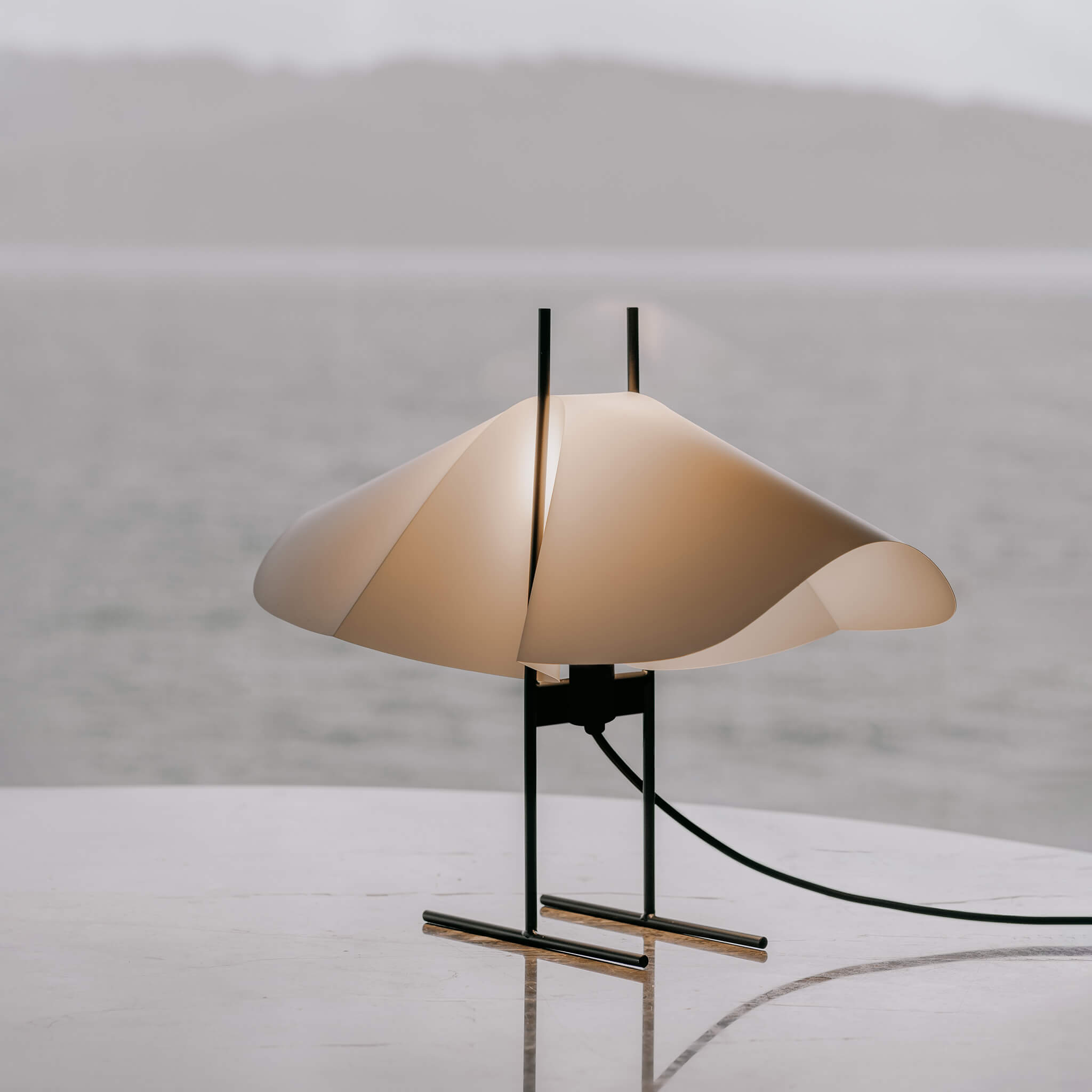
You can see it in the quiet construction of Float, the paper and joinery of Enso, the material expression of Reflex, and the character of Cho.
Simple is not the same as easy. It often requires ingenuity.
Where design meets art
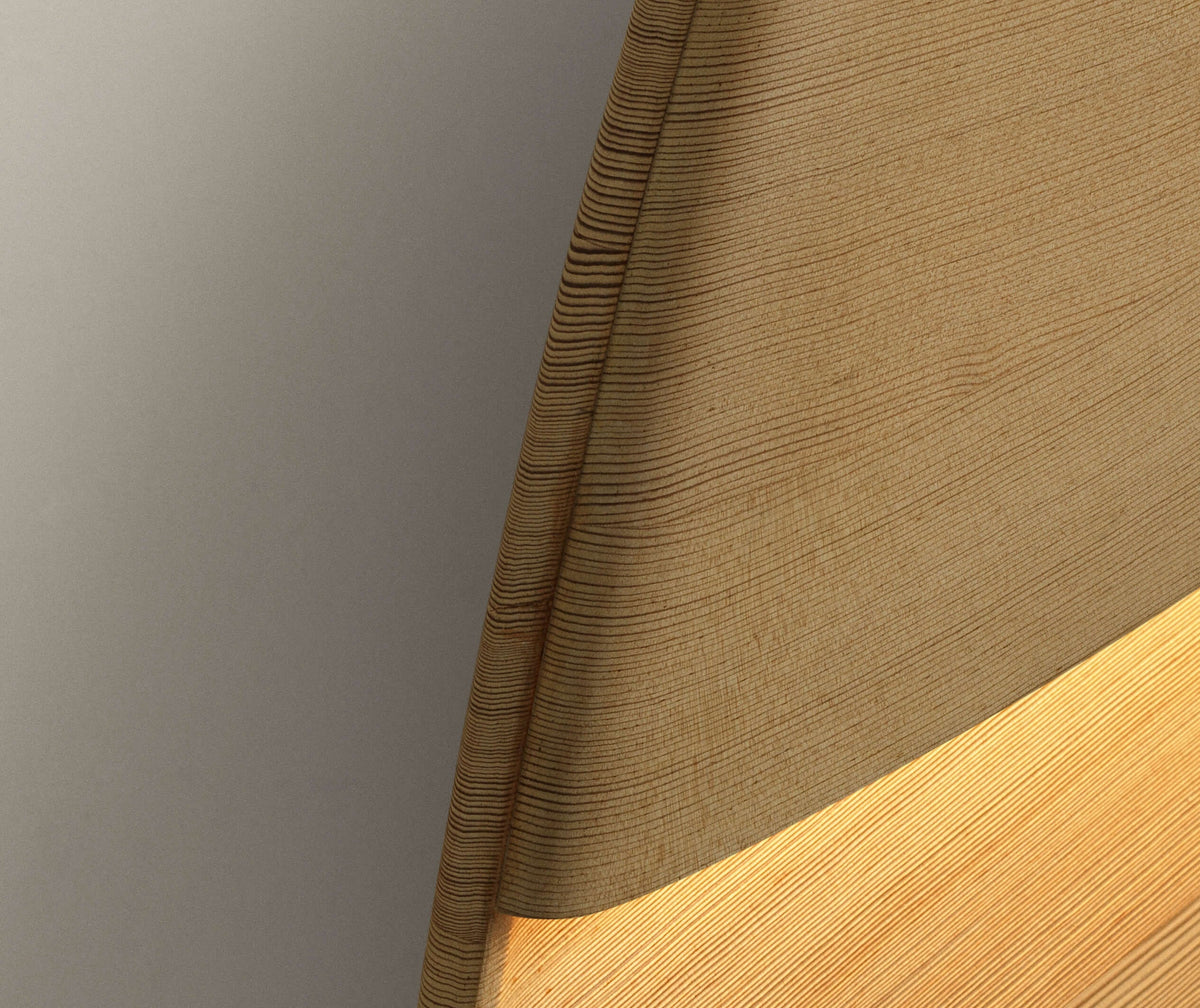
Motarasu Exclusive is where our interest in material, craft and artistic expression becomes more exploratory. Developed through selected collaborations and events such as 3daysofdesign, these works allow us to investigate materials and processes beyond the boundaries of a conventional collection.
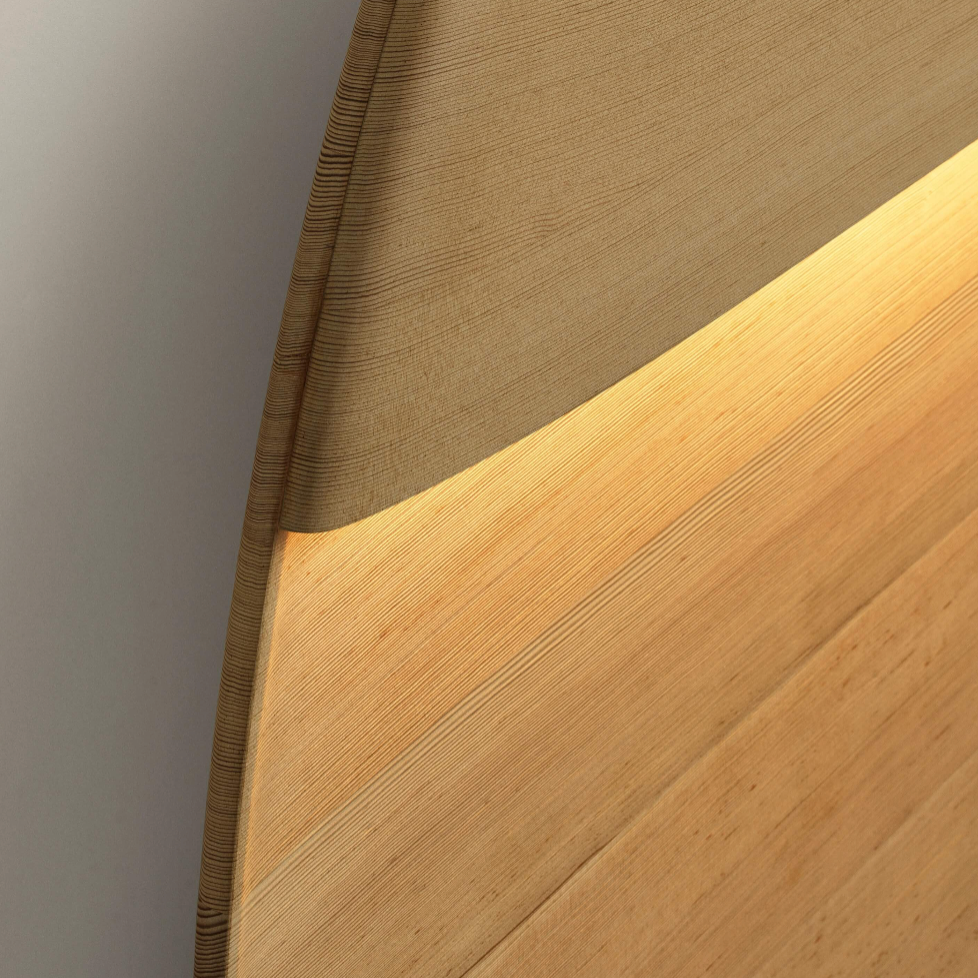
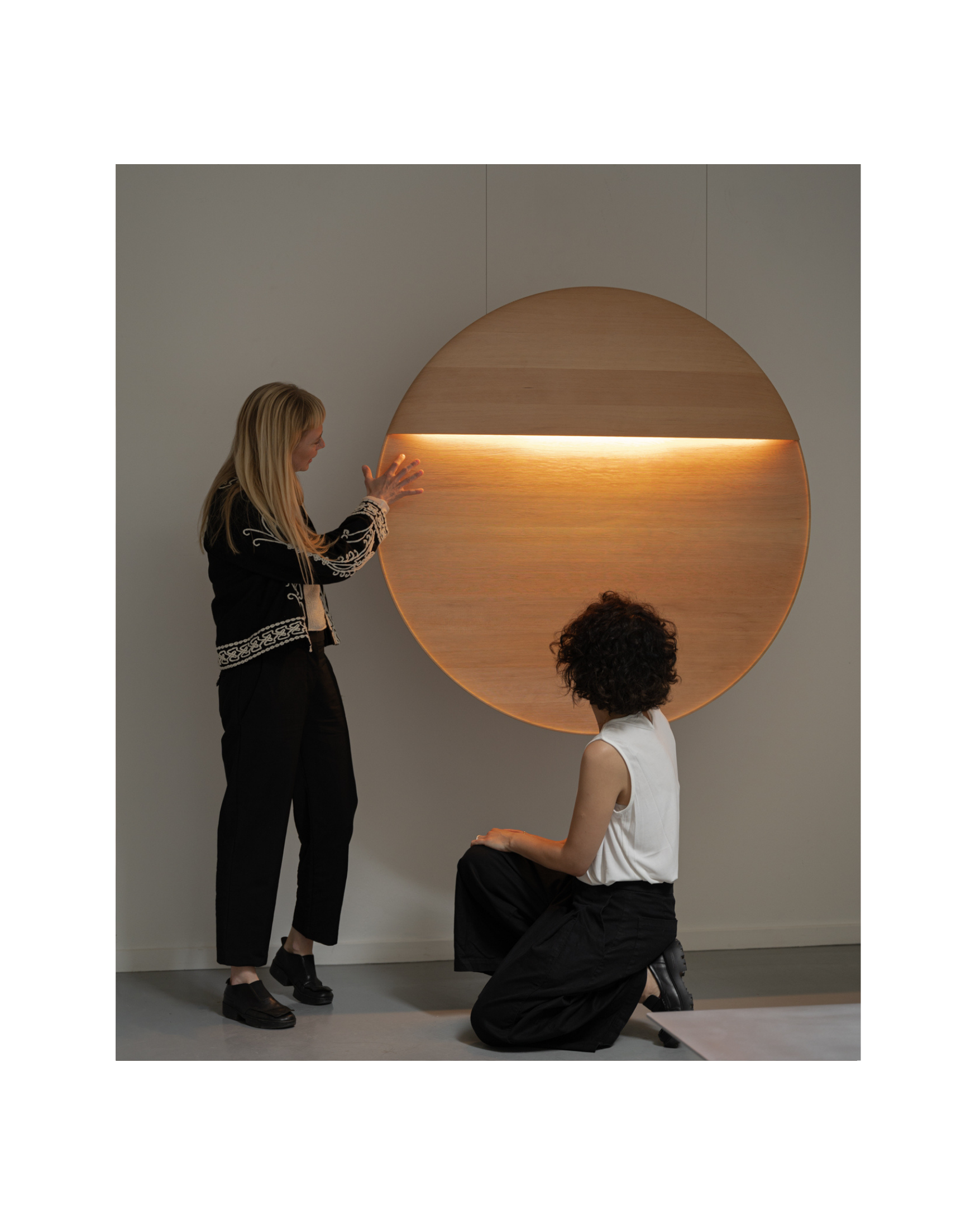
Ray, by AHM x LUND, is made from Oregon pine treated using uzukuri — a traditional Japanese technique that reveals the natural grain of the wood. The piece is part of the permanent collection of Designmuseum Danmark.
Materials & Making
Every Motarasu object begins with a material that has a history. Washi paper from the Mito region of Japan, bamboo worked by hand using a centuries-old technique, and oak finished to let the grain speak for itself. Each requires a specific craft and a specific maker — and each shapes the object in ways that cannot be separated from how it looks or feels.
Washi
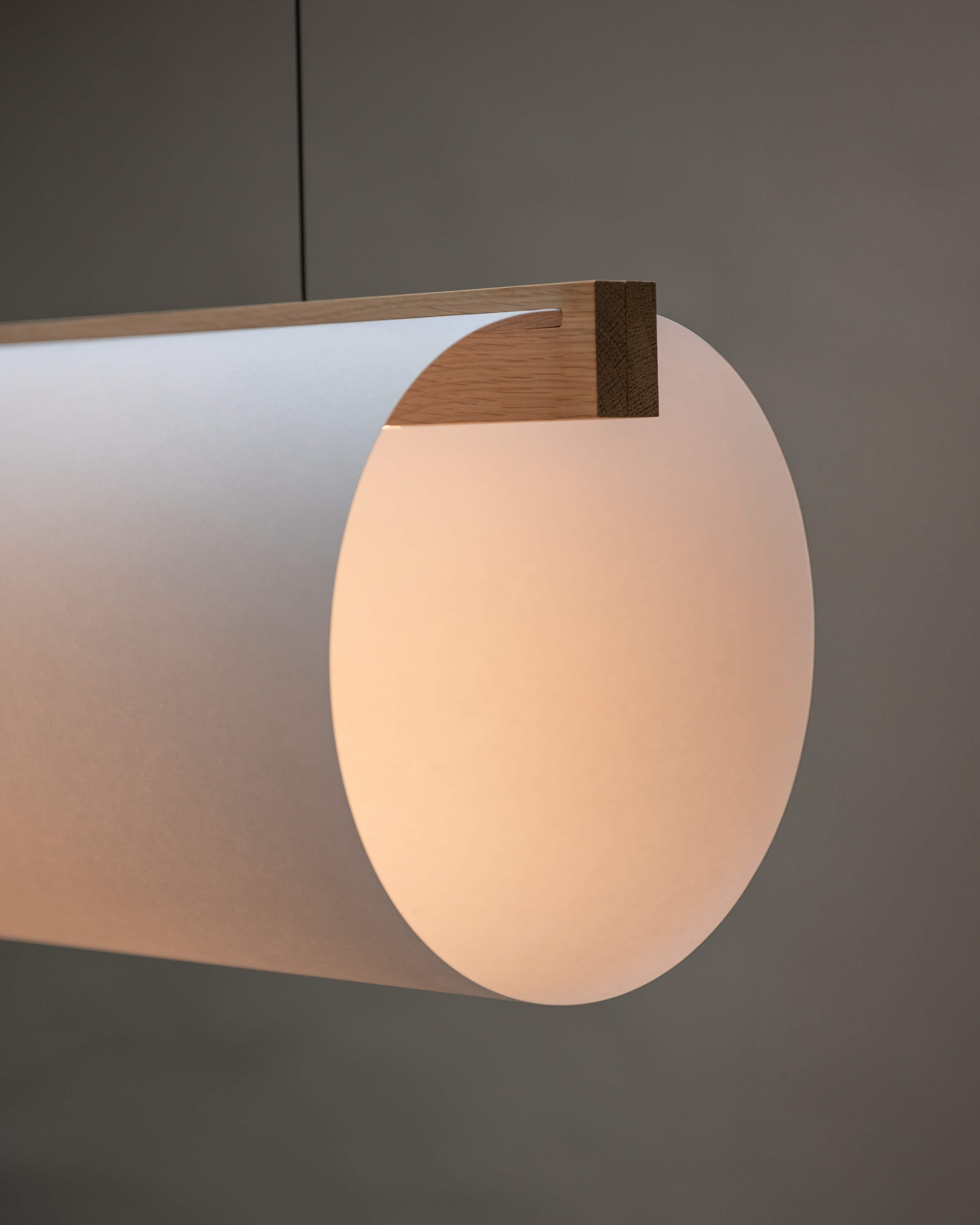
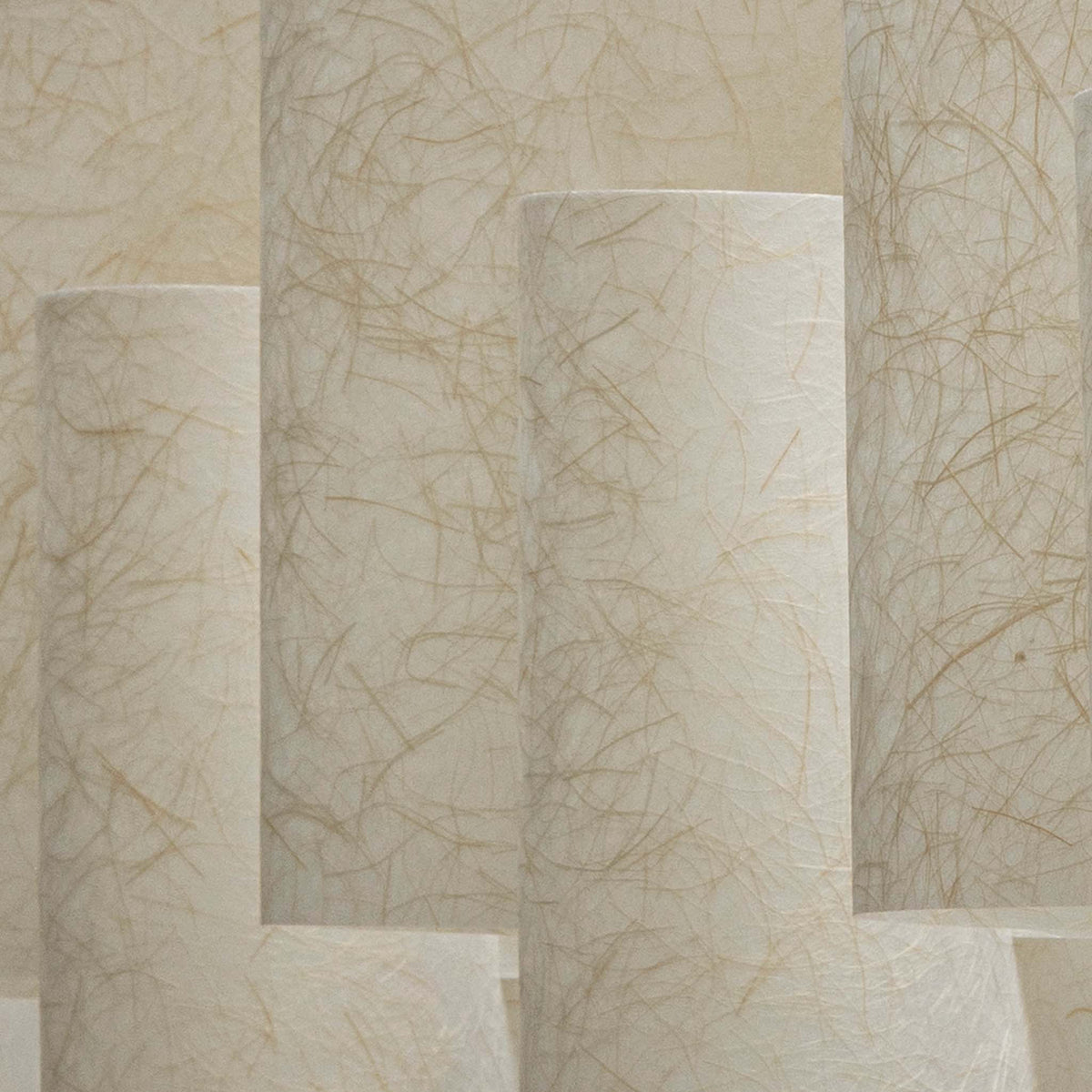
Washi is Japanese paper, valued for its strength, texture and ability to transform light. Sekiun and the Enso pendant are made with Japanese washi, available in a white paper and a raw paper with more visible fibre structure.
For Toshiyuki Tani’s lighting, washi is wrapped over fine resin strips, so the shade glows evenly with no shadow from the frame beneath it. The paper is made in the Mito region of Japan.
Bamboo
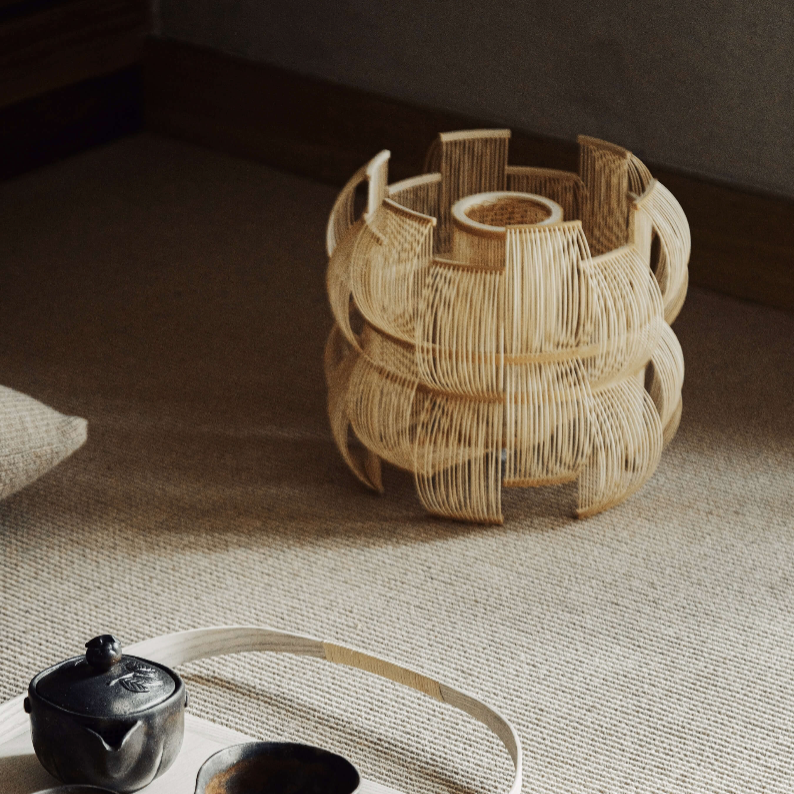
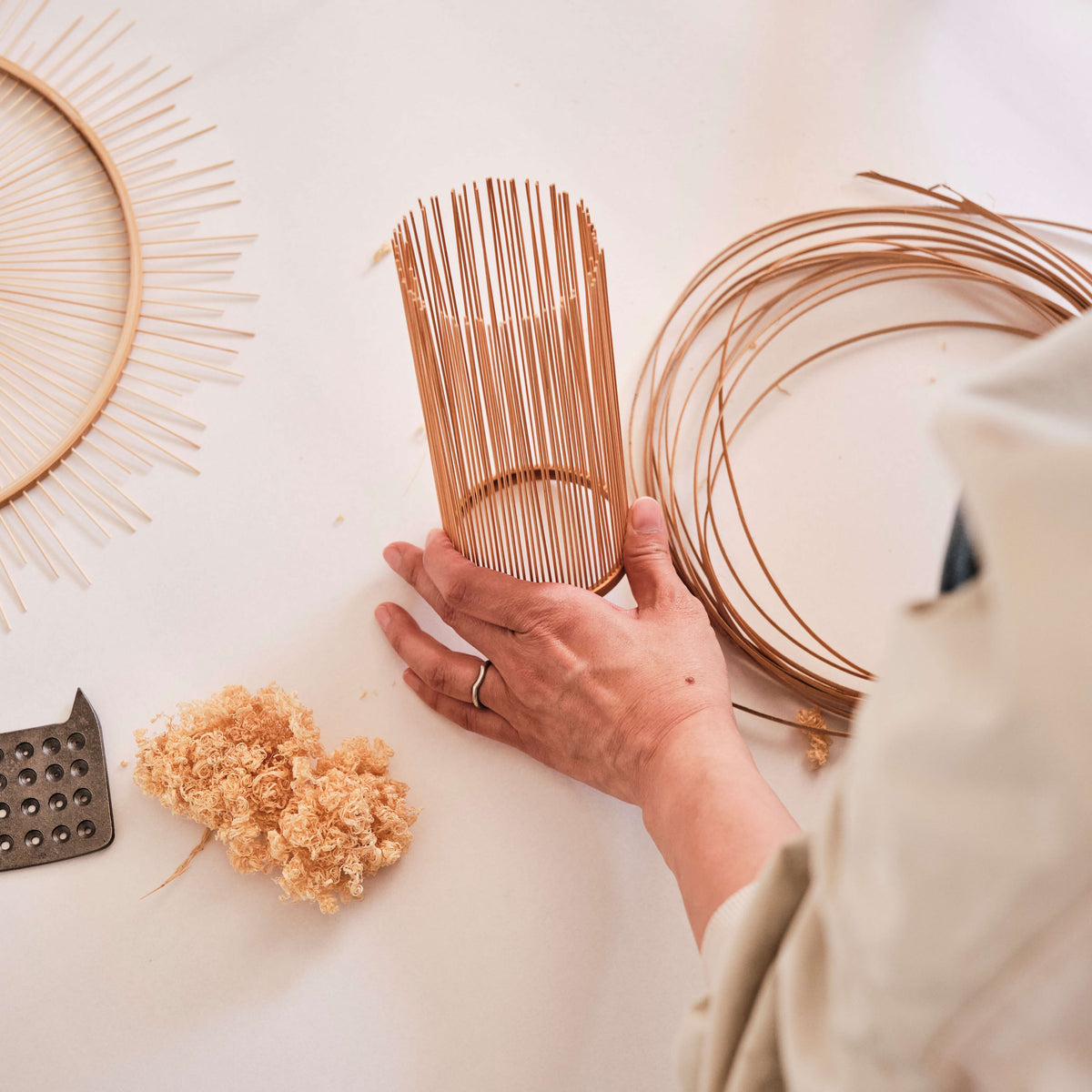
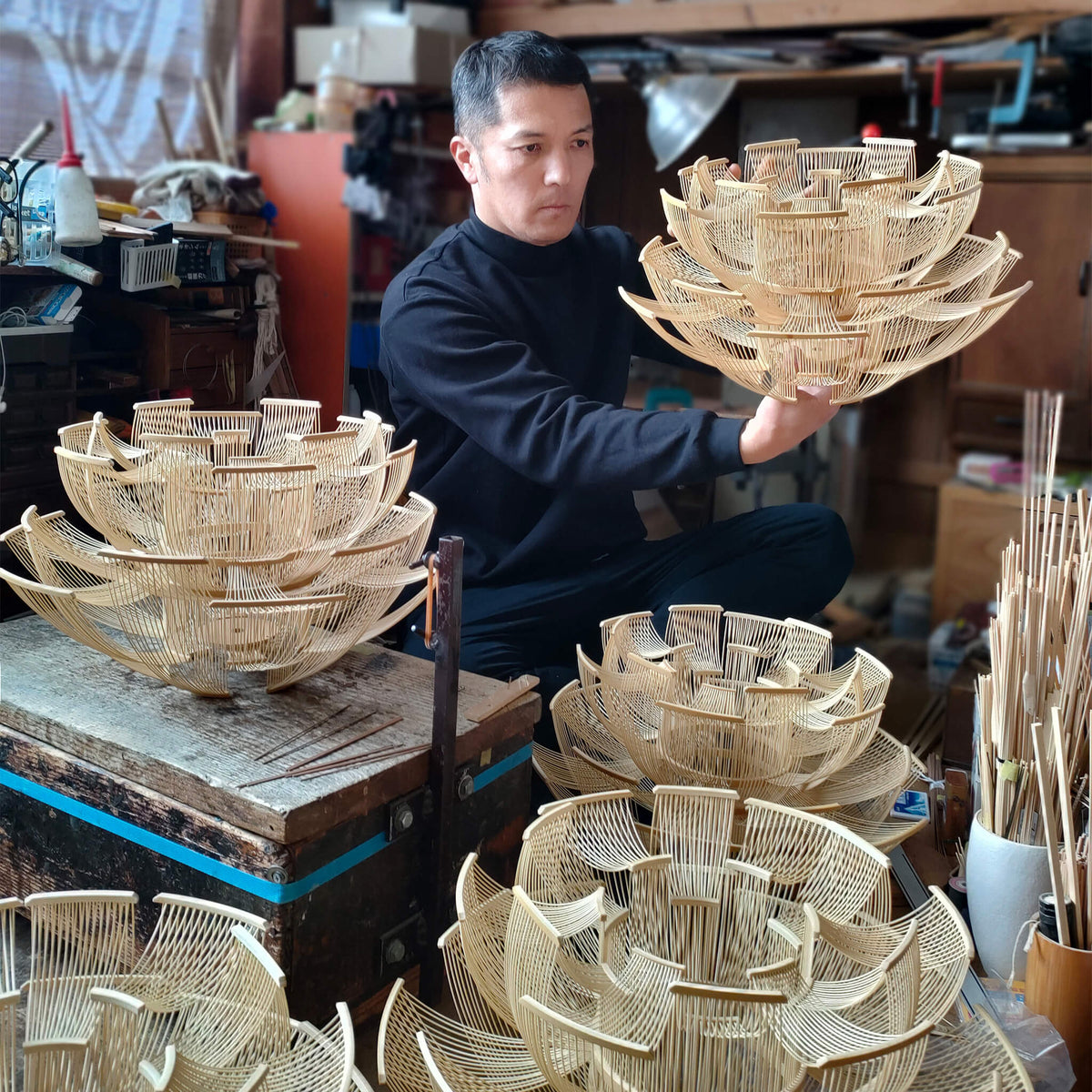
Suruga takesensuji zaiku is a bamboo technique from Shizuoka, where thin round strips are bent and set into a drilled frame rather than woven flat. It has been used for centuries in objects ranging from insect cages to paper lanterns.
Toshiyuki Tani works with the technique in contemporary lighting, made with a Japanese workshop. In Sen, around 600 bamboo strips are split, bent and placed by hand; Hokore uses around 1,000. The result is light shaped by repetition, patience and the irregularity of the handmade.
Oak
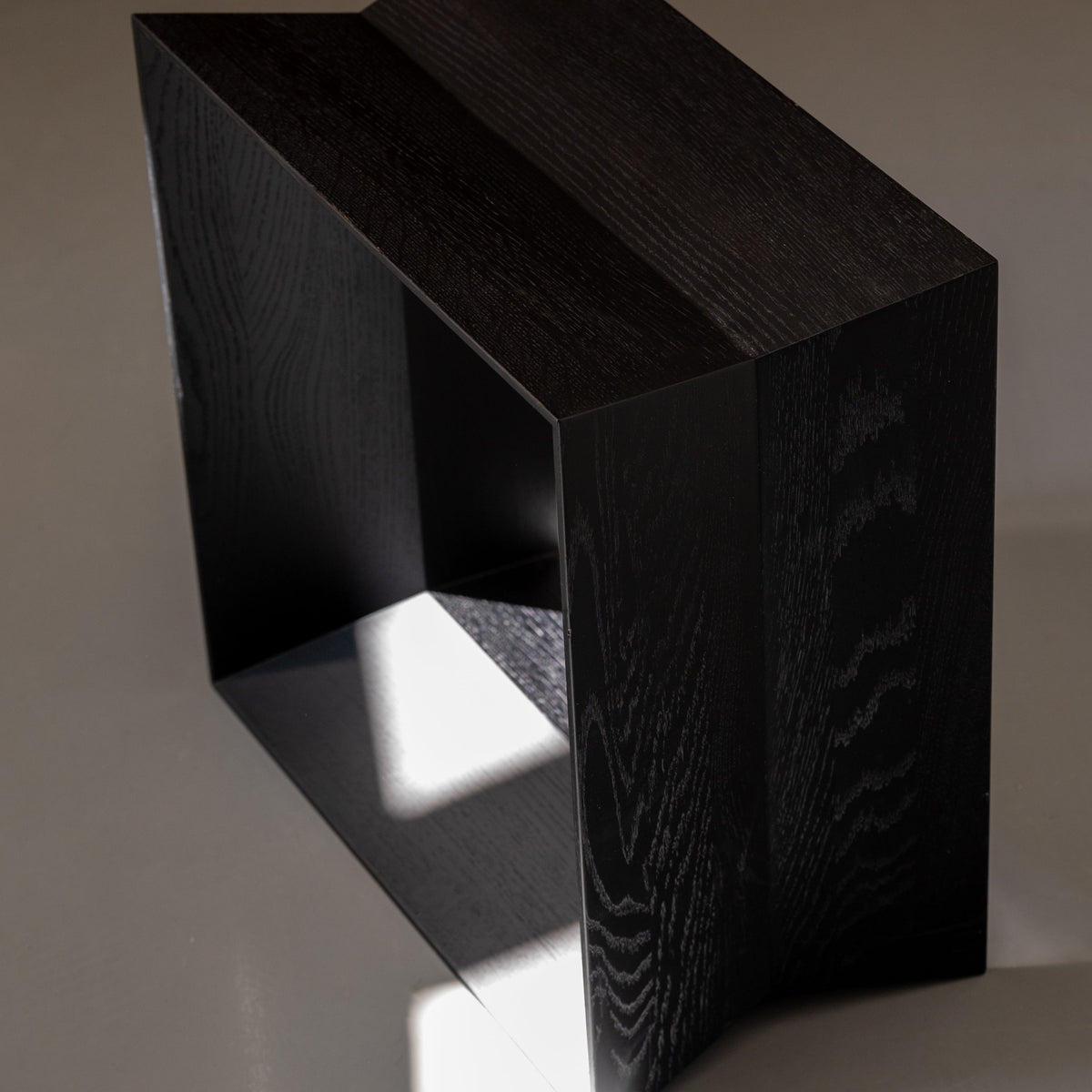
Oak has long been central to Danish furniture making. Hard and close-grained, it allows construction to remain visible: a joint, an edge, the meeting of two pieces. Our oak pieces are finished with oil or lacquer rather than a high-gloss surface, allowing the material to remain part of the design.
Motarasu is about creating objects that become part of everyday life — not through excess, but through beauty, materiality and thoughtful design.
Designers and makers
We discover designers and craftspeople through research, conversation and a shared interest in what is still missing from the collection. Collaboration begins with an idea, a material or a question — and develops through dialogue.
We work with independent designers, craftspeople and specialist workshops in Denmark and Japan, including Lars Vejen, Toshiyuki Tani, AHM x LUND, Ernst & Bartholin, Akiko Ken Made and Ryota Yokozeki.
Lars Vejen, who lives and works between Denmark and Japan, describes the relationship as a conversation. That exchange is central to how we work.
Our products have received recognition including Dawn — Denmark’s Next Classic 2022 and Best Lighting at the Scandinavian Design Awards 2023; Jundo — Scandinavian Design Award 2022; Enso — shortlisted for the Danish Design Award 2022; and Cho — nominated for the Scandinavian Design Award 2024 and Design Awards 2024.
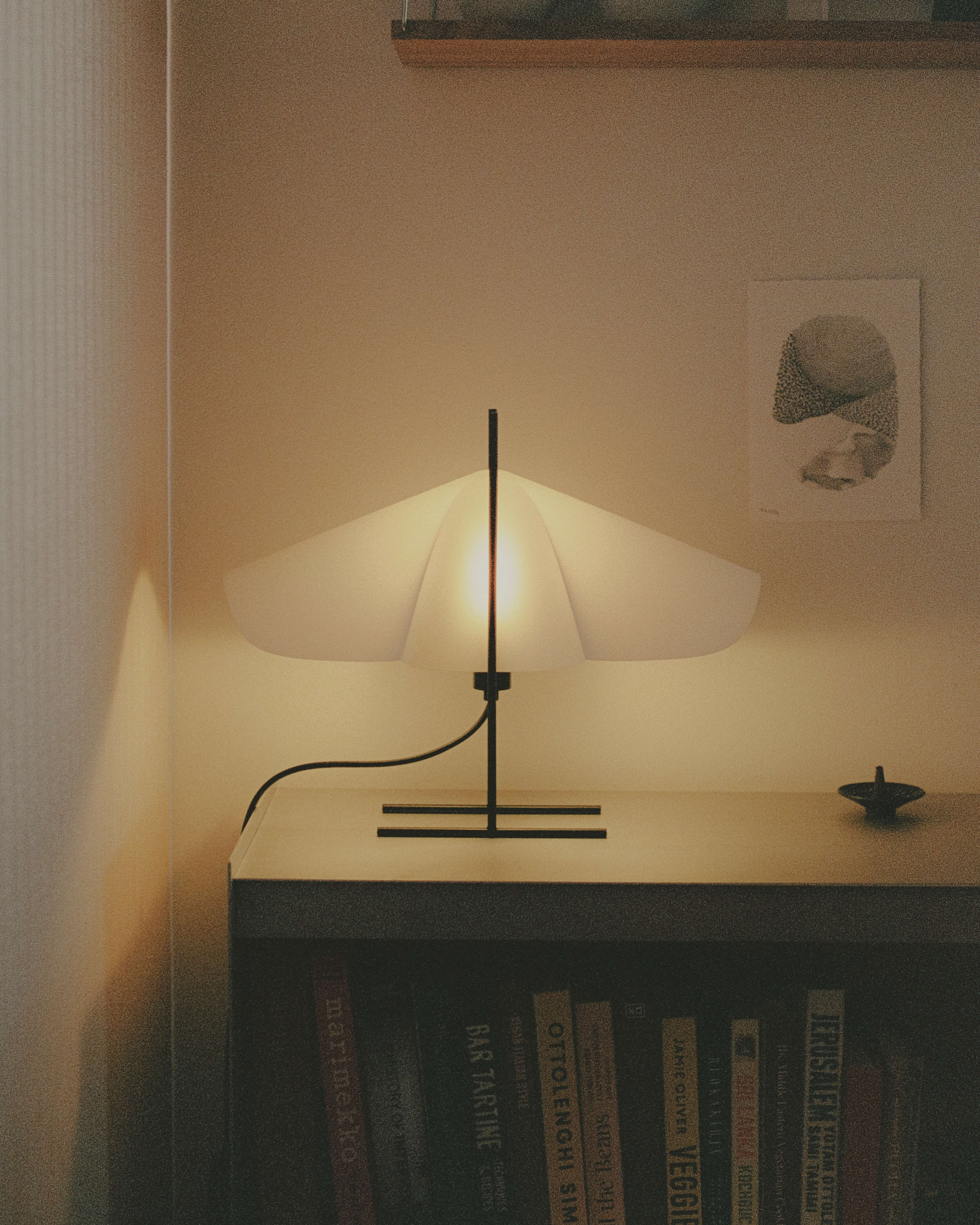
Both traditions arrive at the same idea about how to live with things: fewer, chosen carefully, kept a long time.
Motarasu is about creating objects that become part of everyday life — not through excess, but through beauty, materiality and thoughtful design.